Why Drupal Support Becomes a Challenge
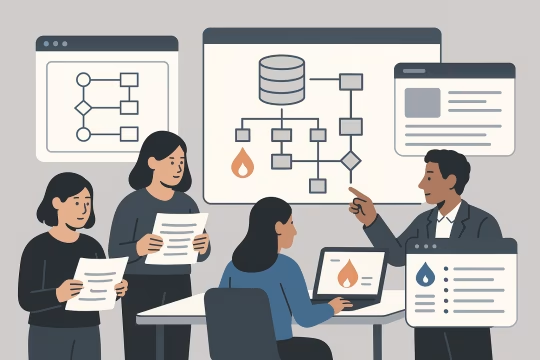
Drupal platforms grow complex over time. Custom modules, integrations, multisite architectures, and evolving content requirements introduce technical debt and operational risk. As the platform evolves, routine Drupal website maintenance becomes harder to plan and execute consistently across environments.
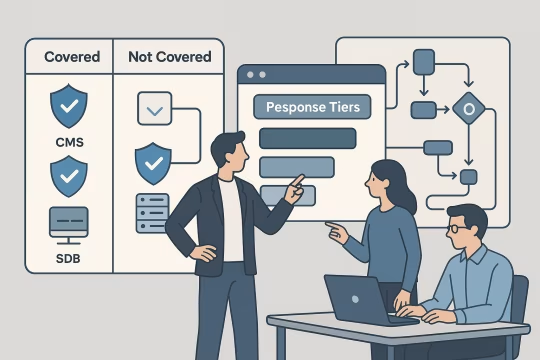
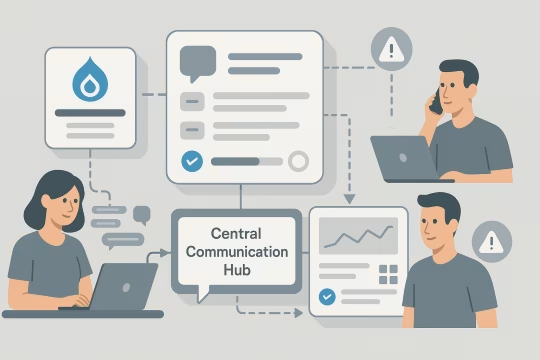
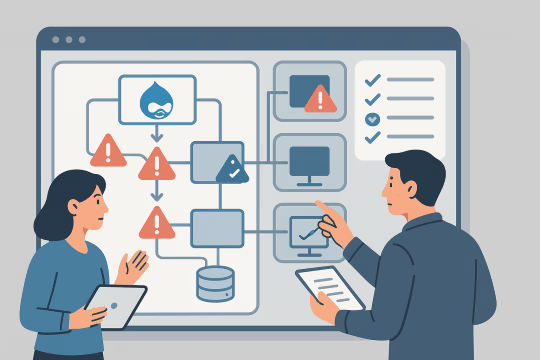
When incidents occur, internal teams often struggle with unclear ownership, limited Drupal expertise, or slow response times. Troubleshooting can be delayed by fragmented tooling, incomplete documentation, and uncertainty around what changed last. Small issues can escalate into outages, broken features, or stalled editorial operations—especially when performance bottlenecks and dependency conflicts surface under pressure.
Without a structured support model, organizations face unpredictable downtime, rising maintenance costs, and increased pressure on internal teams. Security patching and Drupal security updates may be applied inconsistently, increasing exposure to vulnerabilities. Over time, ad-hoc fixes and uncoordinated upgrades create architectural drift, making future Drupal version upgrade support more risky and disruptive.



 [01]
[01]