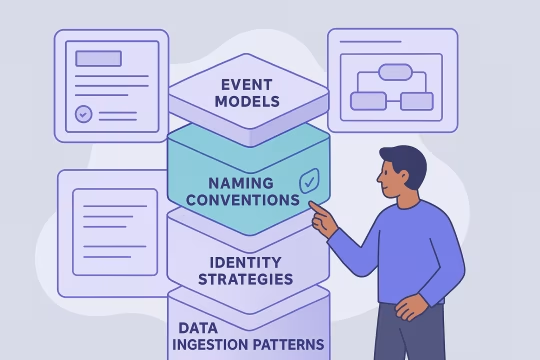
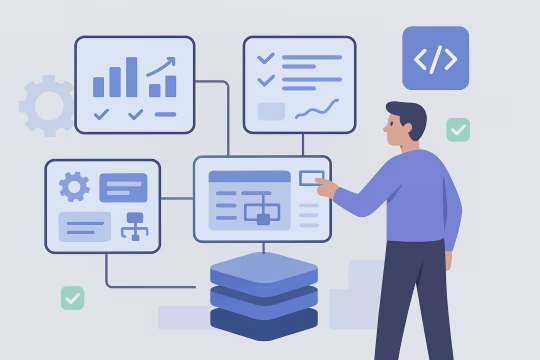
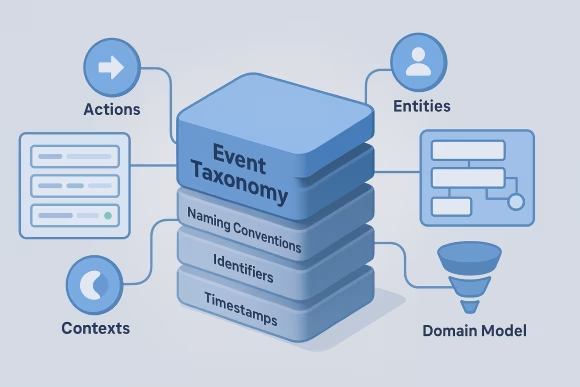
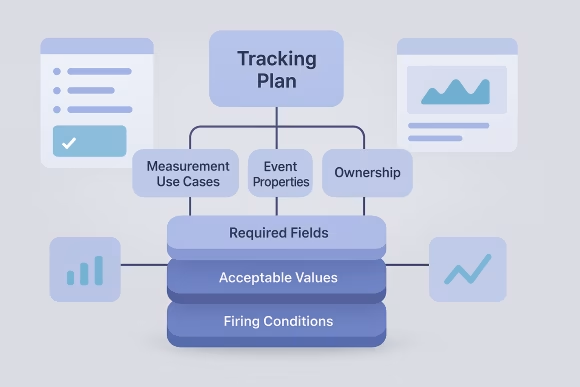
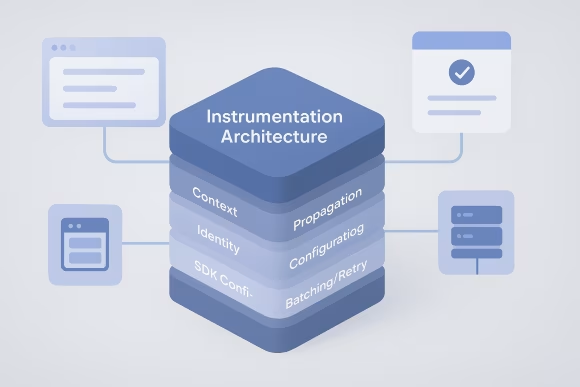
Event tracking architecture design defines how user and system behavior is represented, collected, validated, and evolved across digital products and channels. It includes a CDP event model (naming, entities, properties), a tracking plan aligned to measurement use cases, and enterprise analytics instrumentation architecture patterns for implementation and delivery into a CDP and analytics stack.
Organizations need this capability when tracking has grown organically across teams, tools, and platforms. Without a shared contract, events drift, properties change without notice, and downstream datasets become fragile. A well-defined architecture creates a stable interface between product engineering, marketing operations, and data engineering.
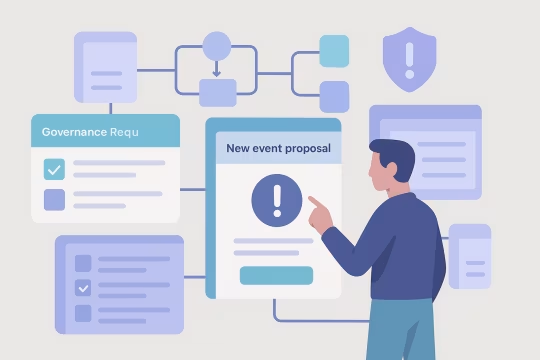
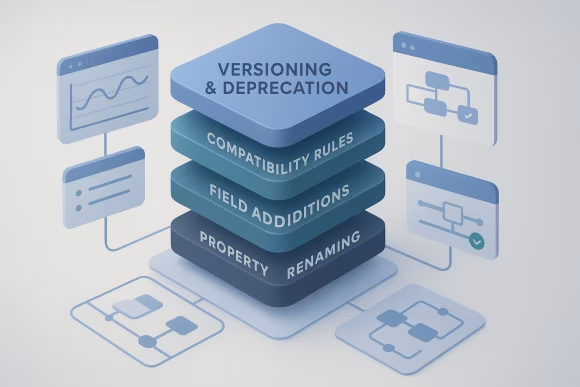
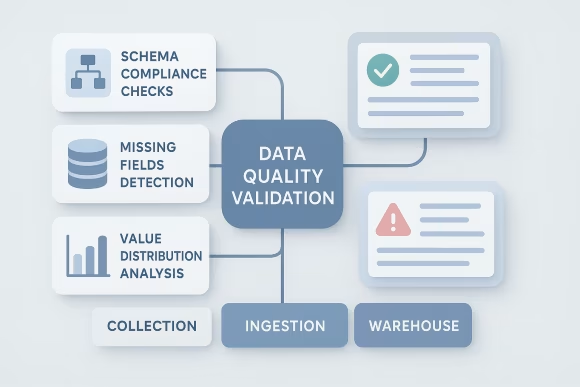
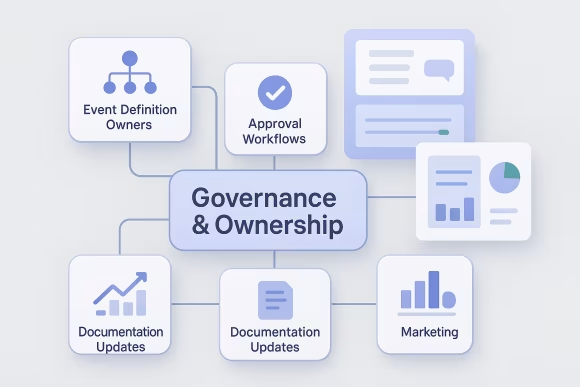
At platform level, event tracking architecture supports scalable data operations by introducing event schema versioning and governance framework practices, validation, and ownership. It enables consistent identity and context propagation, reduces rework in pipelines, and improves the reliability of analytics and activation workflows as the ecosystem expands.



 [01]
[01]